
Why Some Traditional Boarding Schools Fail Girls With Reactive Attachment Disorder
When your daughter has been diagnosed with Reactive Attachment Disorder (RAD), you already know that traditional solutions rarely work. You have likely tried therapy, parenting strategies, and perhaps even considered placement options. If you are researching Traditional Boarding Schools, you may be hoping that structure and distance from home will finally bring the breakthrough your family desperately needs.
But here is the hard truth: most Traditional Boarding Schools are not equipped to help girls with RAD, and some actually make the condition worse.
The Fundamental Mismatch Between Traditional Boarding Schools and RAD
Reactive Attachment Disorder develops from early developmental trauma and disrupted attachments. Girls with RAD did not learn to trust caregivers during critical developmental windows. Their brains adapted to survive by remaining hyper-vigilant, controlling their environments, and rejecting connection before they can be rejected.
Traditional Boarding Schools were designed for a different population entirely. Most were created to provide academic rigor, athletic programs, or behavioral correction for struggling teens from privileged backgrounds. They operate on assumptions that simply do not apply to girls with attachment trauma.
1. Traditional Schools Misinterpret RAD Symptoms as Behavioral Choices
Girls with RAD often display:
Superficial charm with strangers but contempt toward caregivers
Manipulative behaviors as survival mechanisms
Intense control battles
Apparent lack of conscience or empathy
Destructive behaviors when feeling vulnerable

Traditional Boarding Schools typically interpret these behaviors as willful defiance, poor character, or lack of motivation. Their response? Behavioral modification systems, point deductions, and consequences designed to teach "accountability."
But here is what happens: A girl with RAD cannot be "behaviored" into attachment. When you punish a trauma-driven survival response, you simply confirm her core belief that adults are unsafe and the world is hostile. She becomes more entrenched, more controlling, and further from healing.
2. Traditional Schools Mistake Connection for Manipulation
One of the most heartbreaking dynamics in RAD is that these girls often connect easily with strangers, teachers, coaches, new staff, while treating their own families with contempt. To someone unfamiliar with RAD, this looks like the family must be the problem.
In Traditional Boarding Schools, staff unfamiliar with RAD may inadvertently:
Believe the girl's negative reports about her parents
Become frustrated when the same manipulative behaviors eventually turn toward them
Cycle through staff members as the girl "burns bridges" one by one
Conclude the girl is simply "not ready to change"
Without RAD-specific training, staff cannot recognize that this pattern is the disorder. They cannot provide the consistent, unmovable, nurture-free structure that actually helps these girls begin to feel safe.
3. Traditional Schools Cannot Handle the Complexity of RAD
Girls with RAD often have co-occurring challenges: cognitive effects from early trauma, academic gaps, difficulty with peer relationships, and intense family systems that have been through years of crisis.
Traditional Boarding Schools typically offer:
Group therapy models that assume vulnerability builds connection (for a girl with RAD, vulnerability feels life-threatening)
Peer dependence that rewards social maneuvering (which RAD girls exploit brilliantly)
Academic expectations that don't account for trauma's impact on learning
Family involvement models that trigger the very attachment fears driving the behavior
These approaches may work for teens with depression, anxiety, or behavioral issues. For RAD, they are not just ineffective, they can be retraumatizing.
What RAD-Specific Care Actually Requires
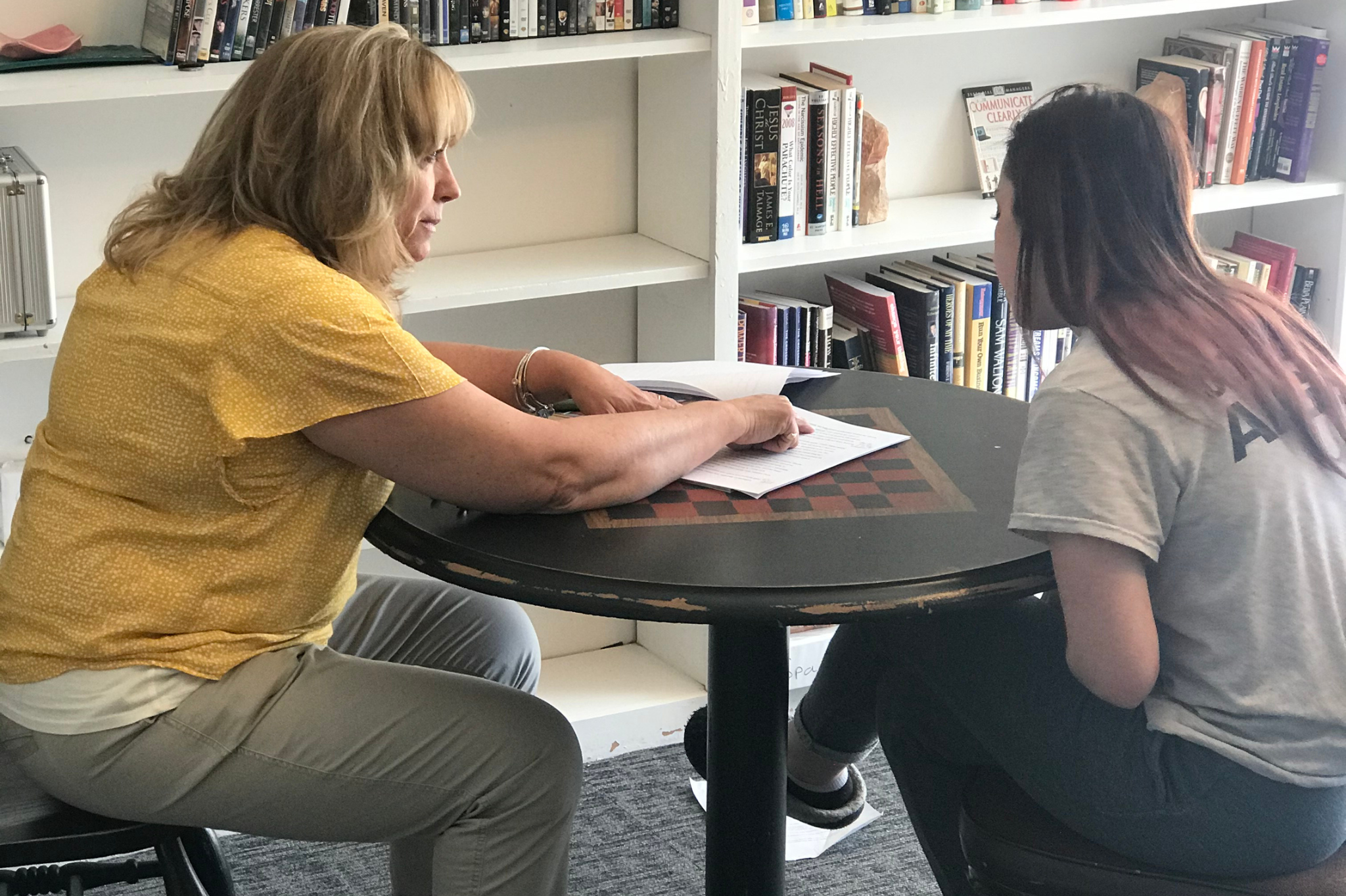
Girls with Reactive Attachment Disorder need something fundamentally different from Traditional Boarding Schools. They need:
A non-therapeutic environment where they are not expected to "process" trauma before they have developed safety. Traditional therapy models often require vulnerability and trust, precisely what a girl with RAD cannot offer.
Staff who understand the fight-flight-freeze response and can recognize when a girl is in survival mode rather than being defiant. They need adults who will not take behaviors personally or retaliate.
Structure without punishment systems that trigger control battles. Girls with RAD need natural consequences and accountability, not point deductions and level systems that become another game to win.
Opportunities to practice real-life skills in safe, monitored settings where they can experience genuine competence. Healing for RAD happens through doing, not talking.
Space from the attachment relationship without being pathologized for needing it. Sometimes the most loving thing a family can do is provide distance, but that distance must be structured by people who understand why it helps.
Trailhead Girls Academy: A Different Approach
Trailhead Girls Academy was created specifically because Traditional Boarding Schools were failing this population. We are not a therapeutic facility, not a behavior modification program, and not a "troubled girls" home. We are a boarding school where staff understand the ins and outs of RAD and the painful journey families have endured.
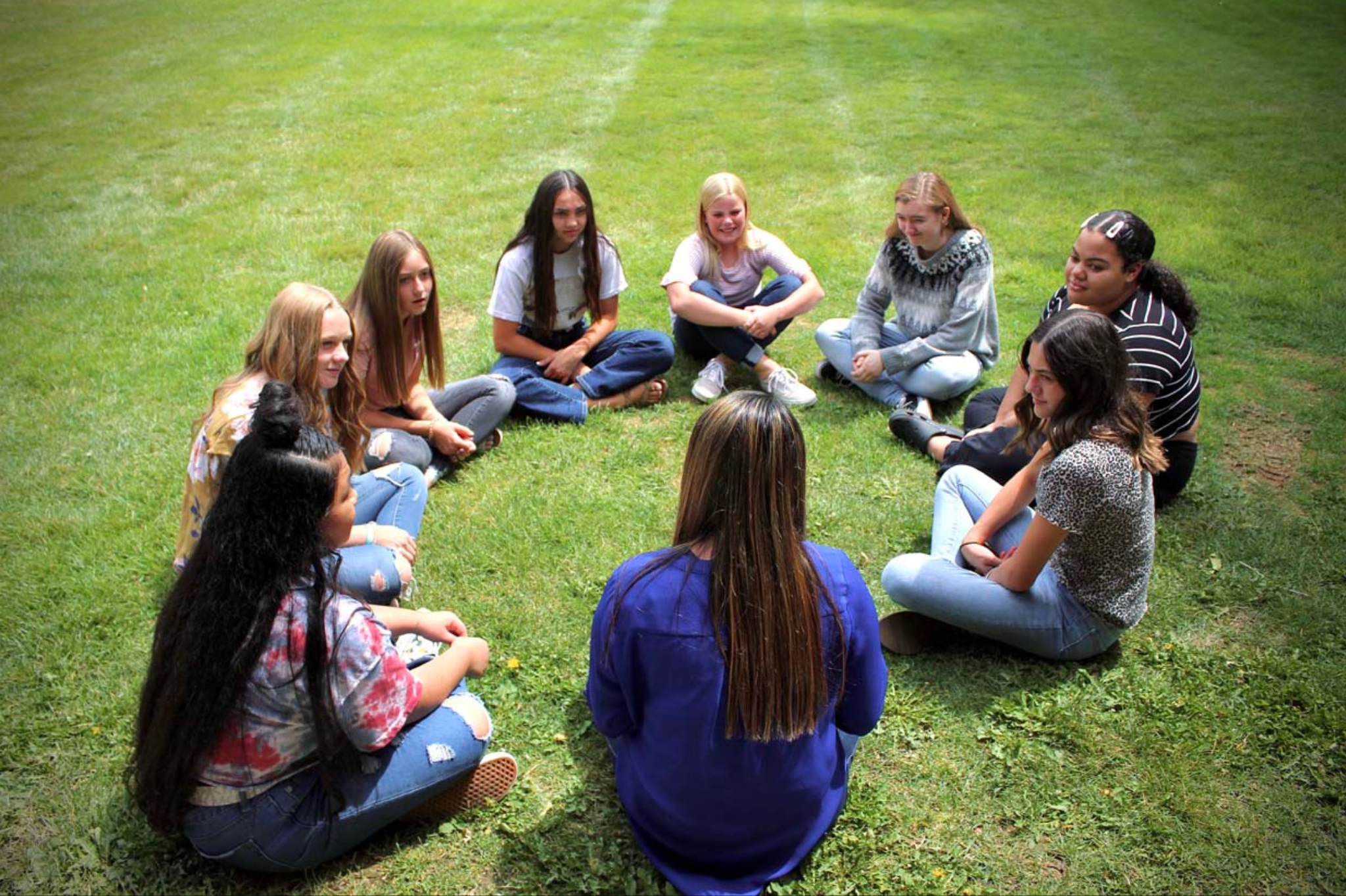
Here, your daughter will find:
A structured, distraction-free environment focused on academics and life skills
Staff trained to recognize RAD symptoms and respond appropriately
Real choices and natural consequences rather than artificial level systems
Optional outpatient therapy when she is ready, not forced treatment
The ability to work, earn money, and practice independence in safe ways
For families who have watched Traditional Boarding Schools fail their daughters, there is another path. One that understands RAD is not a behavioral choice but a survival adaptation, and that healing comes through safety, structure, and the slow building of genuine competence.
Because families should get to decide the terms of their daughter's care. Not all schools understand that. We do.
If you are considering placement for a daughter with RAD or attachment challenges, we invite you to learn more about how Life Quest Girls Academy's approach differs from Traditional Boarding Schools. Contact us to discuss whether our program might fit your family's unique situation.
